
Tooth Sensitivity in Flower Mound: Causes and Treatment
Tooth sensitivity is a common dental condition characterized by sharp, temporary pain in response to triggers like hot or cold temperatures, sugar, or acidic foods. While many patients in Flower Mound, TX, fear that a sensitive tooth automatically requires an extraction, the reality is often much less extreme.
Most sensitivity stems from thinning enamel or minor gum recession, both of which are treatable with conservative care. However, understanding the difference between a “spa day” adjustment and a serious infection is key to preserving your smile.
Understanding the Causes of Dentin Hypersensitivity
Dentin hypersensitivity occurs when the protective outer layer of your teeth—the enamel—wears down, or when gum tissue retreats to expose the tooth roots. This leaves the “dentin,” a porous layer containing microscopic tubules that lead directly to the nerve, vulnerable to the elements. Common culprits include:
- Enamel erosion is often the result of an “acid bath” from sodas, citrus, or aggressive brushing. When this armor thins, the underlying nerves become hypersensitive.
- Gum recession is the process by which gum tissue pulls away from the tooth, often due to periodontal disease or genetics, leaving root surfaces exposed and unprotected.
- Tooth decay is caused by bacteria penetrating the enamel fortress. Once decay reaches the dentin, it creates “hot spots” that wince at every sip of coffee.
- Bruxism (teeth grinding) is the habitual clenching or grinding of teeth, which acts like sandpaper, gradually wearing away the enamel while you sleep.
- Structural damage includes a cracked or chipped tooth, which provides a direct pathway for external triggers to reach the sensitive tooth pulp.
Proactive oral hygiene is your best defense. Switching to a soft-bristled toothbrush and using a desensitizing toothpaste containing potassium nitrate can help “plug” the pathways to those screaming nerves, reclaiming comfort in your daily life.
Treatment Options for Sensitive Teeth
Professional dental assessments are vital because treatment varies significantly based on the root cause of the pain. At Flower Mound Dental, we prioritize the most conservative treatments first.
Dental Fillings and Crowns
A dental filling is a simple restoration used when sensitivity is triggered by early-stage decay. By removing the cavity and sealing the tooth, we block the triggers from reaching the dentin. If the damage is more extensive, a dental crown may be used to encase and protect the entire tooth structure.
Root Canal Therapy
Root canal therapy is necessary when the internal dental pulp—the “living” part of the tooth—becomes infected or inflamed. While the name often causes anxiety, this procedure actually provides immediate relief from severe sensitivity and pain by removing the infected tissue and sealing the tooth from further invasion.
Tooth Extraction: The Last Resort
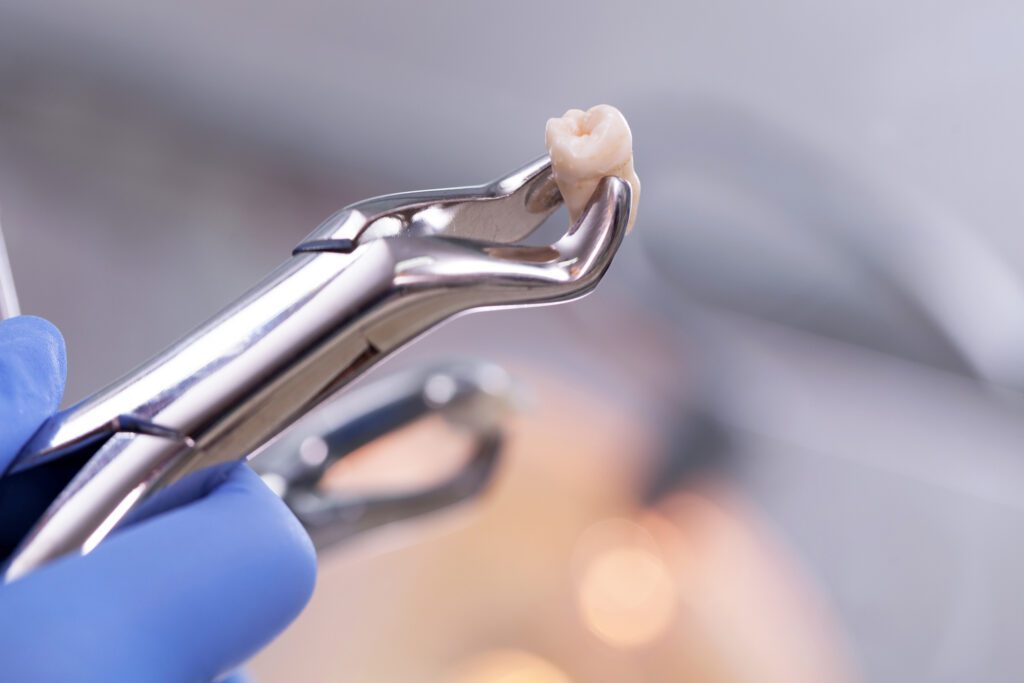
Tooth extraction is considered a worst-case scenario. We only recommend removing a tooth when decay, damage, or periodontal disease is so widespread that the tooth can no longer be saved. If an extraction is necessary to protect the rest of your mouth, we often suggest follow-up treatments like dental implants to restore your bite and confidence.
Acting quickly is the best way to avoid the extraction chair. If your morning coffee has turned into a moment of dread, contact us at 972-512-8875 or click here to schedule an exam today.